Therapies and Activities for Dementia Patients: Enhancing Quality of Life
- graciasliving11
- Sep 29, 2025
- 5 min read

Updated: Sep 29, 2025
Dementia is a progressive condition affecting memory, thinking, and the ability to perform everyday tasks. Caring for someone with dementia is challenging, as it requires attention not only to their physical needs but also to their emotional and cognitive well-being. While there is no complete cure for dementia, therapies and structured activities can significantly improve the quality of life for patients.
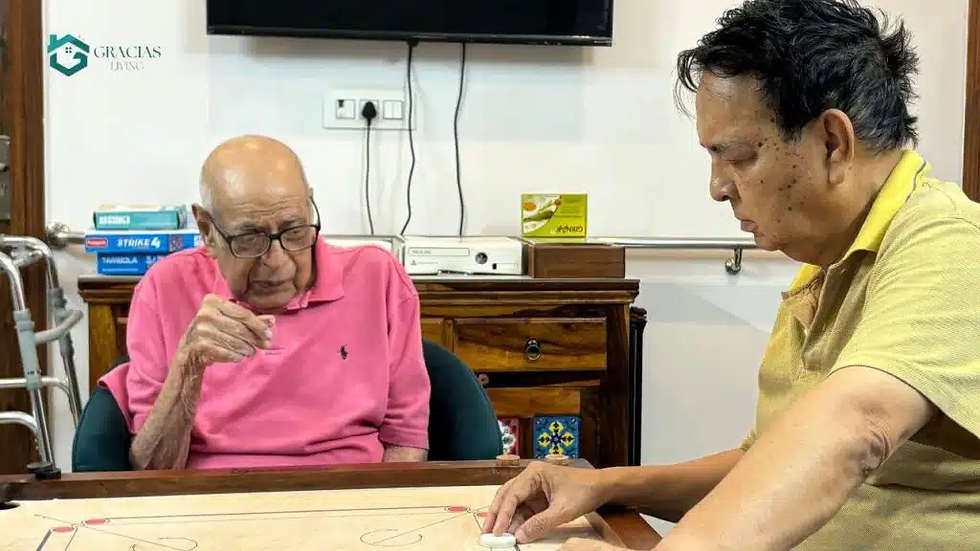
At Gracias Living, our approach to dementia care focuses on combining professional medical support with meaningful daily activities, ensuring seniors remain engaged, safe, and emotionally fulfilled. In this comprehensive guide, we explore the best therapies and activities for dementia patients and how they contribute to overall health.
Understanding Dementia and Its Challenges
Dementia is not a single disease but a collection of symptoms affecting memory, cognition, language, and behavior. The most common types include Alzheimer’s disease, vascular dementia, and Lewy body dementia. Symptoms vary by individual but often include:
Memory loss, especially recent events
Difficulty performing familiar tasks
Confusion and disorientation
Mood swings and anxiety
Loss of interest in social interaction
Caring for someone with dementia requires patience, understanding, and structured support. Without the right therapies and engagement, dementia patients may experience increased anxiety, depression, and a faster decline in cognitive function.
The Importance of Therapies in Dementia Care
Therapies play a crucial role in dementia care, offering cognitive, emotional, and physical benefits. Unlike standard elderly care, dementia-focused therapies are designed to stimulate the brain, improve quality of life, and reduce behavioral challenges.
Cognitive Stimulation Therapy (CST)
CST is a structured program designed to improve memory, attention, and problem-solving skills. Sessions often involve group activities, discussions, and exercises that challenge cognitive abilities while remaining enjoyable. Regular participation in CST can help maintain mental function and enhance confidence.
Key benefits:
Improves memory retention
Enhances social interaction
Boosts overall mental engagement
Music Therapy
Music has a profound impact on emotional and cognitive health. Listening to familiar songs, singing, or playing musical instruments can:
Reduce agitation and anxiety
Stimulate memories and positive emotions
Encourage social interaction among residents
At Gracias Living, music therapy sessions are incorporated into daily schedules to create joyful, calming experiences for dementia patients.
Occupational Therapy
Occupational therapy focuses on helping patients maintain independence in daily activities such as dressing, cooking, or personal hygiene. Occupational therapists develop adaptive strategies and exercises that allow patients to perform tasks safely and confidently.
Key benefits:
Maintains independence and dignity
Enhances motor skills and coordination
Reduces caregiver burden
Physical Therapy and Exercise
Regular physical activity is essential for dementia patients. Gentle exercises, yoga, stretching, or short walks help maintain mobility, balance, and strength. Exercise also contributes to mental health by reducing anxiety, improving mood, and promoting better sleep patterns.
Key benefits:
Improves balance and prevents falls
Enhances physical strength and endurance
Reduces stress and promotes relaxation
Reminiscence Therapy
Reminiscence therapy encourages patients to recall past experiences using photographs, objects, or personal stories. This type of therapy strengthens emotional bonds, promotes communication, and evokes positive memories, helping patients feel connected and valued.
Key benefits:
Stimulates memory and cognitive function
Encourages social interaction
Supports emotional well-being
Art and Creative Therapies
Engaging in creative activities such as painting, drawing, or crafts allows dementia patients to express themselves non-verbally. Art therapy provides emotional release, cognitive stimulation, and fine motor skill development.
Key benefits:
Enhances creativity and self-expression
Improves hand-eye coordination
Encourages social participation
Daily Activities to Support Dementia Care
Beyond formal therapies, daily activities play a vital role in dementia care. Structured routines and enjoyable activities prevent boredom, reduce anxiety, and provide opportunities for socialization.
Gardening and Nature Walks
Spending time in nature stimulates the senses, encourages physical activity, and promotes relaxation. Simple gardening tasks such as watering plants or arranging flowers can provide a sense of purpose and accomplishment.
Puzzles and Brain Games
Puzzles, word games, and memory challenges help maintain cognitive skills. These activities can be adapted to the patient’s abilities and provide enjoyable mental stimulation.
Social Interaction Sessions
Group activities such as storytelling, board games, or music circles reduce feelings of isolation and foster a sense of community. Social engagement is crucial for maintaining emotional health in dementia patients.
Mindfulness and Relaxation Exercises
Techniques such as guided meditation, breathing exercises, or gentle yoga help calm anxiety and agitation. Relaxation exercises also support better sleep and improve overall mood.
Opinion: Why Personalized Care is Essential
Every dementia patient has unique cognitive abilities, emotional needs, and personal preferences. A one-size-fits-all approach rarely yields positive outcomes. Facilities like Gracias Living emphasize individualized care plans, combining therapies and activities tailored to each resident. Personalized care ensures that patients are engaged in meaningful ways, improving both their mental and emotional well-being.
Personalized care also empowers family members, allowing them to participate in activities that strengthen bonds and provide reassurance. This approach recognizes that dementia care is not just about managing symptoms—it’s about enhancing life quality.
Benefits of Therapies and Activities in Dementia Care
Engaging therapies and activities offer multiple benefits for dementia patients, including:
Slowing cognitive decline and maintaining mental function
Reducing agitation, anxiety, and depression
Promoting physical health and mobility
Enhancing social interaction and emotional well-being
Improving overall quality of life for both patients and families
Research indicates that patients who actively participate in structured therapies and activities experience fewer behavioral issues, better mood stability, and improved physical health compared to those who do not.
Choosing the Right Dementia Care Facility
Selecting a dementia care home is a critical decision for families. The right facility should provide:
Trained medical and caregiving staff experienced in dementia care
Structured therapies, rehabilitation, and daily activities
A safe, secure, and homely environment
Opportunities for socialization, emotional support, and family involvement
Personalized care plans that respect patient preferences and abilities
Facilities like Gracias Living excel in providing holistic dementia care, ensuring that residents are not just supervised but actively engaged in life-enhancing therapies and activities.
Tips for Family Members Supporting Dementia Patients
Family involvement is vital in dementia care. Some tips include:
Encourage participation in therapies and activities: Support your loved one in attending sessions and engaging in hobbies.
Maintain routines: Consistent daily routines reduce confusion and anxiety.
Stay patient and positive: Avoid arguments, offer reassurance, and focus on positive interactions.
Observe and communicate: Keep track of behavioral changes and discuss concerns with caregivers.
Celebrate achievements: Acknowledge small successes to boost confidence and emotional well-being.
Conclusion
Therapies and activities are essential components of dementia care, helping patients maintain cognitive function, emotional stability, and independence. A well-rounded approach, combining medical support with daily engagement, significantly enhances quality of life.
Facilities like Gracias Living provide a safe, supportive environment where personalized therapies and structured activities help dementia patients lead meaningful, fulfilling lives. By focusing on both professional care and enriching daily experiences, families can ensure that their loved ones receive the support they deserve.
Frequently Asked Questions
Q1: What types of therapies are most effective for dementia patients?
Cognitive stimulation, music therapy, occupational therapy, reminiscence therapy, and physical exercise are highly effective.
Q2: Can activities slow the progression of dementia?
While they cannot cure dementia, therapies and structured activities help maintain cognitive function and emotional well-being.
Q3: Are these therapies suitable for all stages of dementia?
Yes, but they should be adapted according to the patient’s abilities and daily functioning.
Q4: How often should dementia patients participate in activities?
Daily or several times a week, depending on energy levels and individual preferences.
Q5: Can family members participate in therapy sessions?
Yes, family involvement enhances emotional support and strengthens bonds.


Comments